

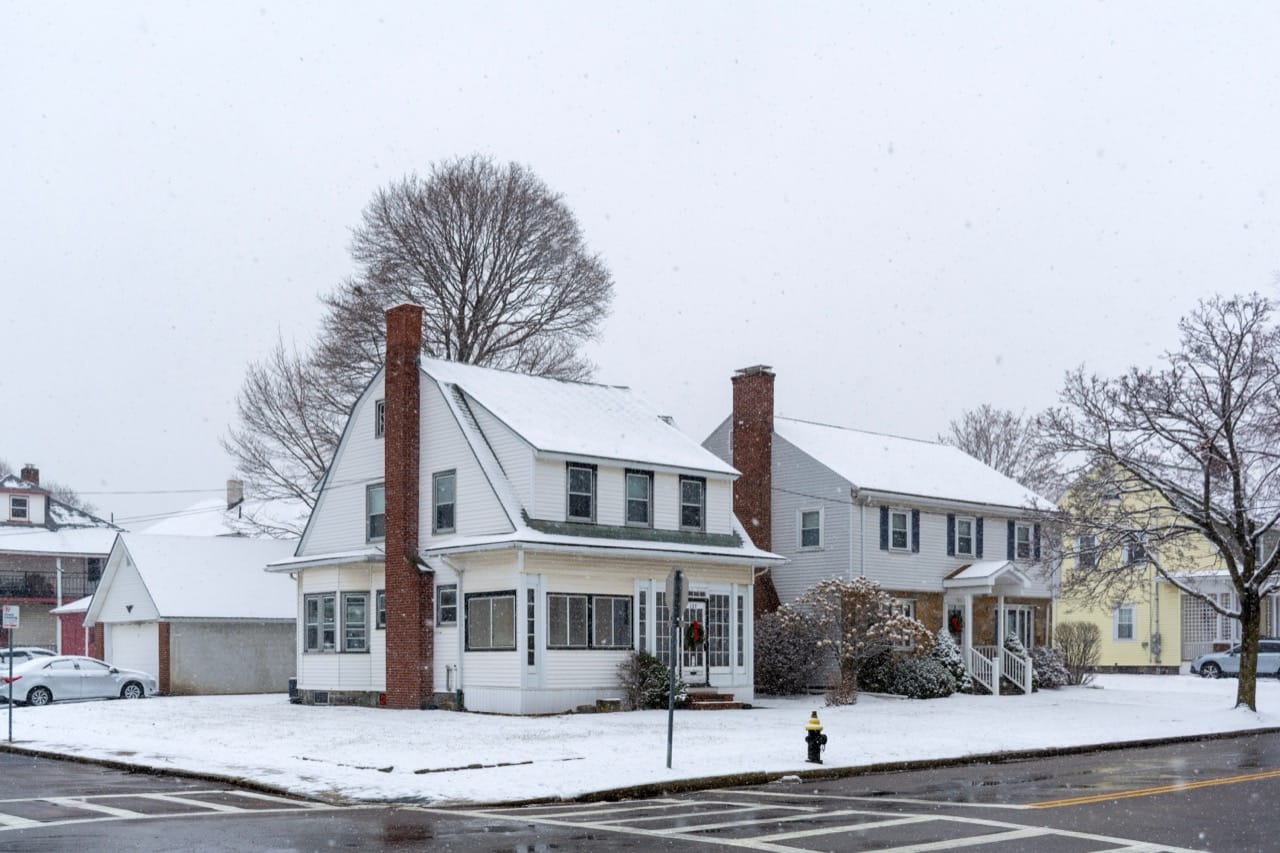
Canadian winters can be beautiful, but they can also be expensive. As temperatures drop, heating systems work harder, drafts become more noticeable and energy bills rise quickly. The good news is that with a few practical steps, you can make your home warmer, safer and more energy efficient while reducing your monthly costs.
Below are simple and affordable ways to prepare your home for winter. Many of these steps take only a few minutes but can make a considerable difference once the temperature dips well below zero.
Reverse Your Ceiling Fans
Most people associate ceiling fans with summer, but they are just as useful in the winter. Warm air naturally rises, which means a lot of the heat you pay for ends up near the ceiling instead of where you need it. By switching your ceiling fan to rotate clockwise at a low speed, you push warm air back toward the floor without creating a chilly breeze. This small adjustment helps your home feel warmer and reduces how often your furnace needs to run.
Clean Out the Gutters
Clogged gutters are one of the leading causes of winter roof damage in Canada. When leaves and debris accumulate, melting snow cannot drain properly. This leads to ice dams, which cause water to back up under the shingles and potentially into the home. Before temperatures drop, take the time to clean your gutters thoroughly. Ensuring proper drainage prevents costly damage to both the roof and the interior of your home.
Use Vent Covers Strategically
Heating vents help move warm air through the house, but unused or poorly placed vents can allow heat to escape into areas that do not need it. Magnetic vent covers allow you to temporarily block off vents in rooms you rarely use, helping redirect warm air to the spaces where you spend most of your time. They are inexpensive, easy to install and a practical way to improve heating efficiency.
Add Door Draft Stoppers
Even well installed exterior doors allow some cold air to pass through. You can often feel the chill when you place your hand near the bottom of the door. A simple draft stopper placed along the bottom seal can keep cold air out and warm air inside. These are available at most hardware stores and can be installed in seconds.
Apply Weather Stripping or Weather Sealing Tape
Gaps around windows and doors are a major source of heat loss. Weather stripping made from rubber or foam can be applied along frames to close small openings that allow heat to escape. If you prefer a temporary solution, weather sealing tape can be applied during the winter months and removed easily in the spring. Both options are affordable and can reduce drafts significantly.
Protect Outdoor Faucets
Canadian winters can be harsh on outdoor plumbing. Exterior taps and hose bibs should always be drained and covered before freezing temperatures arrive. Faucet covers help prevent ice from forming inside the spigot and the pipes behind the wall. Frozen pipes can burst and cause significant water damage, so this is an essential step for all homeowners.
Add Window Film for Extra Insulation
Windows are one of the biggest sources of heat loss in any home. A simple plastic window insulation kit creates an extra barrier that keeps warm air inside and cold air out. When installed correctly, the plastic film tightens into a clear layer that resembles an additional window pane. All you need is a hair dryer and a few minutes per window.
Install a Chimney Balloon or Fireplace Plug
If you have a traditional wood burning fireplace, the chimney can become a major source of cold drafts. When the fireplace is not in use, cold air can enter through the flue while warm air escapes. A chimney balloon or fireplace plug seals the opening effectively. It is inexpensive, removable and a smart solution for homes with infrequent fireplace use.
Insulate Exposed Pipes
Frozen pipes are a common winter hazard in Canada, especially in basements, crawl spaces and exterior walls. Foam pipe insulation tubes wrap easily around exposed plumbing and help prevent freezing. They are pre slit for quick installation and can be cut to size with scissors. This small investment can help you avoid major repairs and water damage.
Cover Window Air Conditioning Units
If you choose to leave a window air conditioner installed through winter, it becomes a direct channel for cold air to enter your home. A simple AC cover creates a protective barrier that prevents drafts. For best results, combine the cover with weather sealing tape around the window frame.
Hang Thermal Curtains
Even well insulated windows can feel cold on the coldest days. Thermal curtains provide an additional layer of protection by blocking drafts and keeping warm air from reaching cold glass. They also add a cozy element to your home decor. When used with window film or weather stripping, they can make an even greater impact on comfort and energy savings.
Install an Attic Stair Insulation Cover
Many Canadian homes have pull down attic stairs or loft access points that are not well sealed. These openings allow warm air to escape directly into the attic, increasing heating costs. An attic stair insulation cover fits over the opening and prevents heat loss. This small improvement can significantly reduce drafts in upper hallways and bedrooms.
Add a Water Heater Blanket
Many water heaters are located in unheated areas such as basements or utility rooms. Wrapping your water heater in an insulation blanket helps keep the stored water warm, meaning the heater does not need to work as hard. This reduces energy consumption and helps you maintain steady hot water throughout the winter.
Final Thoughts
Preparing your home for winter does not need to be expensive or complicated. A few simple upgrades can improve comfort, reduce heating bills and protect your property from seasonal damage. By taking a proactive approach, you can enjoy a warmer and more efficient home throughout the colder months.
If you would like additional tips or want to review how your mortgage fits into your overall household budget, you can reach out to The Local Broker anytime at https://thelocalbroker.ca/contact/.
