

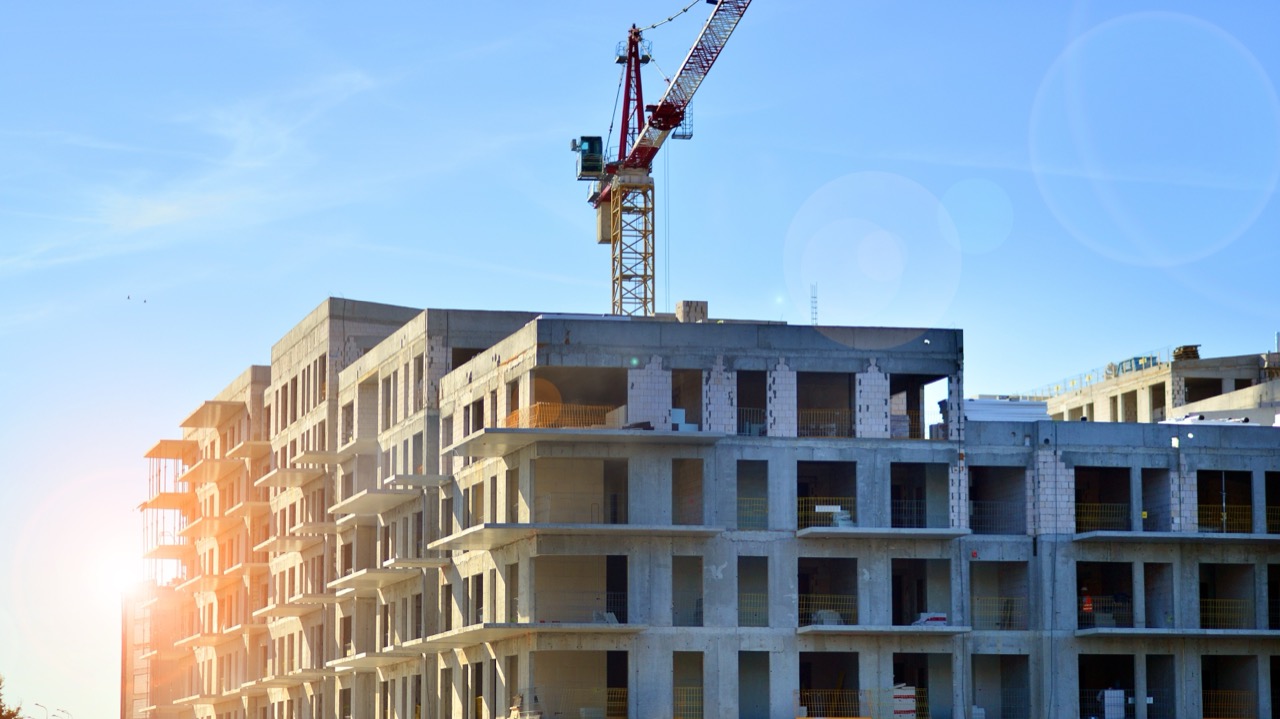
During the peak of the Covid housing boom, from early 2020 through early 2022, thousands of Canadians purchased pre construction homes and condos at aggressive prices. Demand was high, interest rates were low and buyers often felt pressured to secure a property before someone else grabbed it. Many of these projects are closing now, several years after they were originally purchased. For some buyers, the numbers no longer work.
Higher interest rates, lower appraised values and stricter lending rules have left many purchasers unable to qualify for a mortgage at closing. When the shortfall looks overwhelming, some buyers call a Licensed Insolvency Trustee for help. However, the reality is not straightforward. An LIT is limited in what they can do until the builder resells the property and determines the actual loss.
This article explains what really happens in these situations and why calling an LIT rarely provides an immediate solution. It also highlights other steps homeowners can take and why speaking with a mortgage professional early can sometimes prevent the situation from escalating.
The Typical Scenario Facing Many Pre Construction Buyers Today
Most people in this situation share a similar profile:
- They purchased a pre construction condo or home during the Covid market surge
- Years have passed and closing is approaching
- The current appraised value is lower than the original purchase price
- As a result, the buyer cannot secure enough mortgage financing
- They may also have accumulated other debt during the waiting period
- In a panic, they call a Licensed Insolvency Trustee for guidance
These buyers often hope that a consumer proposal or bankruptcy filing will eliminate the shortfall owed to the builder once the unit is resold.
Unfortunately, the process is more complicated.
Why an LIT Cannot Act Until the Builder Sells the Unit
A Licensed Insolvency Trustee cannot determine whether someone is insolvent until the builder actually sells the property to another buyer. This is because insolvency is based on a person’s net worth at the time the claim is known.
Consider these examples.
Scenario One
The homeowner has 300,000 dollars of equity in their principal residence.
The builder sells the pre construction unit at a 100,000 dollar loss.
The buyer still has a positive net worth of 200,000 dollars.
In this case, insolvency does not exist. The buyer could sell their home, cover the 100,000 dollar shortfall and still retain significant remaining equity.
Scenario Two
The homeowner has 300,000 dollars of equity.
The builder sells the pre construction unit at a 400,000 dollar loss.
The homeowner now has a negative net worth of 100,000 dollars.
This meets the definition of insolvency and may qualify them to file a proposal or bankruptcy.
The challenge is that nobody knows the actual shortfall until the builder completes the resale. The LIT cannot guess. They must wait for the confirmed amount.
Why Estimating the Shortfall Is Risky
Some LITs may estimate the loss to help determine whether a proposal could be filed sooner. However, this introduces major risks.
Imagine a buyer with:
- 100,000 dollars in unsecured debt
- An estimated 400,000 dollar shortfall to the builder
A proposal is filed and creditors approve it based on a promise to repay 30 percent of the total estimated 500,000 dollars owed.
Three years later, the builder sells the unit and the actual shortfall is 600,000 dollars. This increases the total debt to 700,000 dollars. All creditors now receive a significantly lower return than originally agreed.
This triggers what is known as a material adverse change. The LIT must notify the Office of the Superintendent of Bankruptcy, all creditors and the Bankruptcy Court. The proposal may need to be renegotiated or it may be annulled entirely, which could force the debtor into bankruptcy.
For buyers already under financial stress, this creates even more uncertainty.
Why There Is No Quick Fix When You Cannot Close
People in this situation often hope for an immediate solution. The LIT must explain that until the builder sells the unit, they cannot determine whether the buyer is insolvent or eligible to file anything. This can be very disappointing to hear, especially for someone who is already juggling credit card debt, rising interest costs and financial pressure.
Some buyers also do not want to wait because they are receiving collection calls from other creditors. They need relief now, but an LIT cannot use an unknown future debt as part of a legal insolvency filing. Only confirmed debts can be included.
What You Can Do Instead
Although an LIT cannot always provide immediate action, homeowners still have steps they can take.
Speak with a Real Estate Lawyer
A lawyer can help negotiate with the builder. In some cases, builders enter into settlements, payment plans or partial releases. Legal support is almost always necessary when you know you cannot close.
Explore Every Mortgage Option Available
Sometimes buyers assume they cannot qualify for financing only to learn that alternative lending exists. A mortgage broker can review your income, equity and credit to explore:
- Bridge lending
- Private lending
- Co signing arrangements
- Equity based financing on another property
- Short term financing to get through closing
Many buyers have more options than they realize. Lenders that your bank does not work with may still be able to offer a temporary or long term solution.
Speaking with The Local Broker early is critical because solutions sometimes disappear if buyers wait too long.
Review Your Full Financial Picture
Because your ability to close depends on overall affordability, reviewing your debts, monthly obligations and property equity is essential. In some cases, a refinance on your principal residence can raise the funds needed to close and prevent a default.
Final Thoughts
There is no easy solution when you cannot afford to close on a pre construction home. Lenders, courts and LITs all require clear numbers, and those numbers do not exist until the builder resells the property. Although insolvency may be necessary in some cases, it is rarely a fast or guaranteed path forward.
If you are in this situation, contact a mortgage professional and a real estate lawyer as early as possible. There may be financing options available that allow you to close or negotiate a workable settlement.
If you want to explore your mortgage options or understand what lenders may offer in a situation like this, The Local Broker is here to help you make sense of your choices.
