

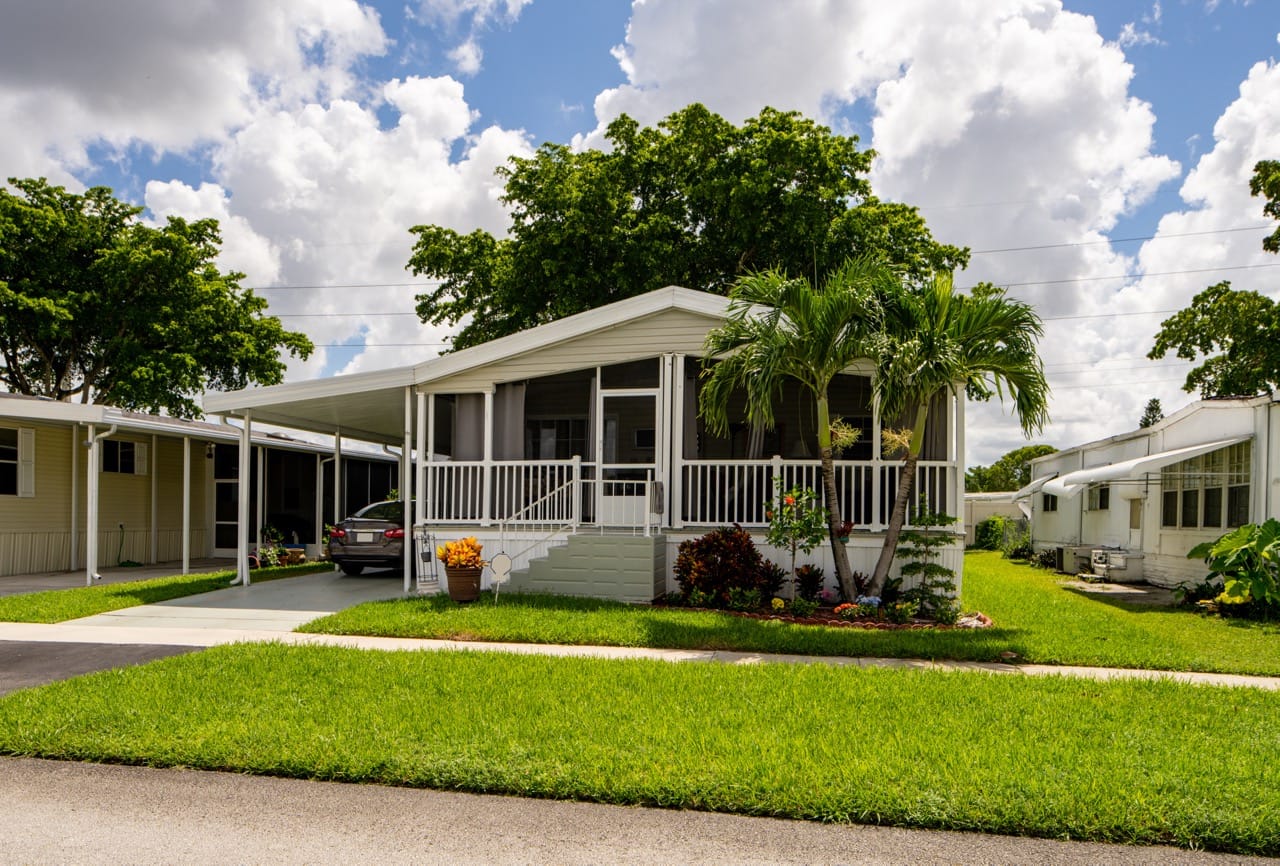
Mobile homes, sometimes referred to as manufactured homes or park model homes, have become increasingly visible across Canada as an alternative to traditional housing. With rising home prices and pressure on supply in many regions, more Canadians are exploring whether a mobile home could offer a more affordable and flexible path to homeownership. Although park model homes and mobile homes can be appealing for cost savings and lifestyle reasons, they come with unique considerations that buyers must understand before making a purchase.
This guide outlines the major pros and cons of owning a mobile home in Canada. The information here is intended to be helpful for general understanding and to support search visibility for Canadians researching this type of housing.
What Is a Mobile or Manufactured Home?
A mobile home or manufactured home is a factory built dwelling designed to be transported to a site. These homes are installed either on owned land or within a mobile home park where the land is leased. The term park model is commonly used when the home is located in a designated mobile home community or trailer park. These homes vary in size, quality and age, which can influence both value and long term maintenance requirements.
Advantages of Mobile Home Ownership in Canada
Lower Upfront Costs
One of the strongest advantages of purchasing a mobile or manufactured home is affordability. Compared to traditional site built homes, park model homes often cost significantly less. This makes them attractive for first time buyers, retirees, seasonal residents and anyone looking for an economical housing option.
Lower Property Taxes
When a mobile home is located on leased land, owners typically pay lower property taxes because taxes are assessed on the home itself and not on the underlying land. This can lead to substantial annual savings and improve long term affordability.
Smaller Footprint and Efficient Living
Many Canadians are drawn to the simplicity and efficiency of living in a smaller space. Mobile homes tend to be easier to heat, cool and maintain. For homeowners seeking a more minimalist lifestyle or wishing to reduce utility costs, manufactured homes can be an excellent fit.
Community Living
Mobile home parks often operate as established communities with shared amenities such as clubhouses, recreational areas and organized activities. Some buyers value the supportive neighbourhood environment and sense of connection that park living can offer.
Flexibility and Location Options
Mobile homes provide opportunities to live in areas where traditional housing may be out of reach. Rural communities, cottage regions and recreational areas often include mobile home parks that allow residents to live close to nature or enjoy seasonal lifestyles at a fraction of the cost of owning a typical cottage or detached home.
Disadvantages of Mobile Home Ownership in Canada
Land Lease Uncertainty
One of the most significant drawbacks of mobile home ownership is land lease risk. When the home sits on rented land within a mobile home park or trailer park, the homeowner does not control the land beneath the structure. Lease increases, changes in park ownership or redevelopment plans may affect long term stability. If a park closes, relocation of an older park model home can be costly or impractical.
Depreciation
Unlike traditional homes, manufactured homes often depreciate in value, especially when located in parks. Because the home is not tied to appreciating land, resale values can fluctuate and may not keep pace with the broader real estate market. Some older units may also require more frequent maintenance.
Limited Customization
While many modern manufactured homes offer high quality finishes, buyers may still face limits in customizing layouts or adding structural modifications. Park rules may restrict exterior changes, outbuildings or landscaping. This can be a drawback for homeowners who want full creative control over their property.
Park Rules and Regulations
Mobile home parks typically have regulations covering everything from pets to parking. While these rules help maintain order and consistency, they can feel restrictive. Prospective buyers should always review park rules carefully before purchasing.
Fewer Financing Options
Financing is one of the most important considerations for anyone buying a mobile home in Canada. The challenges are often significant. Traditional mortgage lenders prefer lending on homes that are permanently attached to owned land. When a mobile home is located on leased land, it becomes much more difficult to secure conventional financing. Park model homes and older manufactured homes often require a specialty chattel loan, which is a personal loan secured by the home itself rather than the land.
These loans can have higher interest rates, stricter qualification requirements and shorter terms. Some lenders will not finance mobile homes at all if they are older or not permanently affixed to a foundation. Buyers should be prepared for additional documentation and limited lender selection. Anyone considering a purchase should seek advice early to understand what financing options are realistic for their situation.
Considering a mobile or manufactured home?
Financing these homes is specialized. Get a personalized, no-obligation review of your options from a local, independent broker.
Final Thoughts
Mobile home ownership in Canada can offer affordability, simplicity and access to unique communities, but it is not the right choice for everyone. Understanding the benefits and limitations, especially around financing and land lease arrangements, is essential. With careful research, buyers can determine whether a park model home or manufactured home aligns with their long term goals.
If you are considering a mobile home purchase or want to explore what financing options may be available to you, you can reach out to The Local Broker anytime for guidance:
https://thelocalbroker.ca/contact/
